Performance doesn’t wait until December.

Performance is built every day. A 1:1 brings something to the surface that’s been bothering someone for weeks. Great work deserves recognition while it still matters. A difficult conversation gets pushed back, and a week later the problem is bigger.
Those are the moments when a manager makes the difference.
But traditional performance management asks you to look back months later. What do you actually remember? Mostly the last few weeks. The rest is forgotten, fuzzy, or compressed into a paragraph.You give a rating. You sign, they sign. The form gets filed away.
Meanwhile, the real work carried on.
The feedback after a meeting. The decision in a chat at 4pm. The standard that quietly slipped last week because nobody said anything.
The work happens today. The system asks about it months later.
That gap is what we call Performance Lag. Because you can’t manage performance after the fact. By the time the review comes around, all you can do is record what already happened.
Performance is what happens between reviews. The review just closes the books.
The bar doesn’t rise because someone puts a number on it once a year. It rises because a manager sees what’s happening, says something when it matters, and follows up the next week.
That’s the rhythm.
We think it’s time performance management finally worked at the pace of the real work.
Raise the bar. Every week.

What this looks like in practice.
These are the six promises that follow from building for the manager.

Most performance tools are built for compliance. Treams is built to be opened. On any morning, you see your team, your goals, your next conversation. Not a cycle status report.

A system you have to chase is not a system. So we set ourselves a harder goal: make the cycle disappear. Not the work, but the chasing. The conversations carry the rhythm.

Other platforms use AI to auto-generate evaluations. Treams uses AI to surface context, spot patterns, and help prepare. Performance management is human work and we refuse to ship a feature that pretends otherwise.

You don't get a blank canvas: you get what works, shaped around you. Time with your team and ours. You walk out with a system that's ready to run, and a partner who stays.

Reshaping how a company performs is hard to do alone. With Treams, you don't. 200 HR teams have already done it. You join the room. You bring back what works.

Performance data is what people said when they trusted the room. We hold ourselves to the standard that trust deserves. European storage, encryption, no AI training on your data, ISO 27001 and GDPR certified, and then some.
From the first call to a rhythm that runs itself.
In five steps.
Customers tell us this is the part of working with Treams they didn't expect, and the part they wouldn't trade.
.jpg)
1. Intake
We sit down with you and your teams leadership. We map what you've tried, what works, and what should not survive the move. Honest conversation, no pitch.

2. Cycle design
A two-day session where we redesign your performance rhythm. This is not a software step. This is changing how performance actually gets done. The moments, the conversations, the responsibilities, built around your organisation.
3. Technical integration
We connect Treams to your stack. HRIS, calendar, single sign-on. The platform is configured around the rhythm you just designed, ready for your managers.
4. Go live
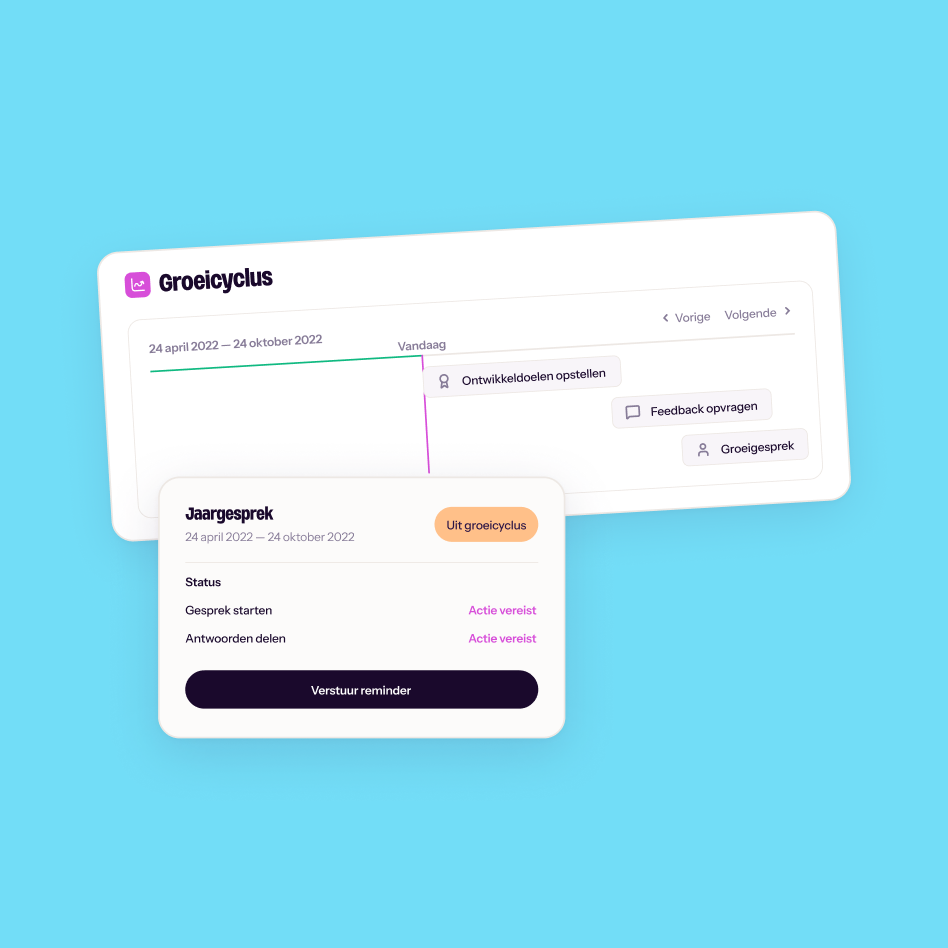
Going live is the moment most software leaves you alone. We don't. We stay in the room with you. We watch what happens, adjust where it needs adjusting, and make sure the first weeks land the way they should.

5. Ongoing partnership
Quarterly reviews with your customer success manager. Access to the community of 200+ HR teams running their rhythm the same way you do. A route to ask for help the moment adoption shows the first signs of stalling.

What customers say about working with us
Trusted by the Netherlands’ best companies:












The fastest way to know if our approach is right for you.
Book a 30-minute demo. We'll show you what the manager view looks like, walk you through the implementation, and answer the questions you have.