
The people who leave are rarely the ones you thought would.
Conversations that didn't happen. Signals nobody really got. Treams gives HR and managers the overview to act before the next exit interview becomes the first real one.


People rarely leave for the reason on the resignation letter.
The reason on the letter is usually a job title, a salary, or a commute. The real reason sits underneath. In the conversations that didn't really happen. In the 1-on-1 that got skipped three weeks in a row. In the goals that were set in January and drifted by March, with nobody noticing. In the feedback they wanted, that nobody ever gave.
Retention is not a benefits problem. It is a conversation problem. And the organisations that fix it stop treating performance management as a yearly form. They start treating it as the rhythm that keeps people seen.
This is the bit the spreadsheet cannot fix, and the bonus cannot buy back. It is the bit Treams was built for.



Catch the drift early.
Have the conversations that keep them.
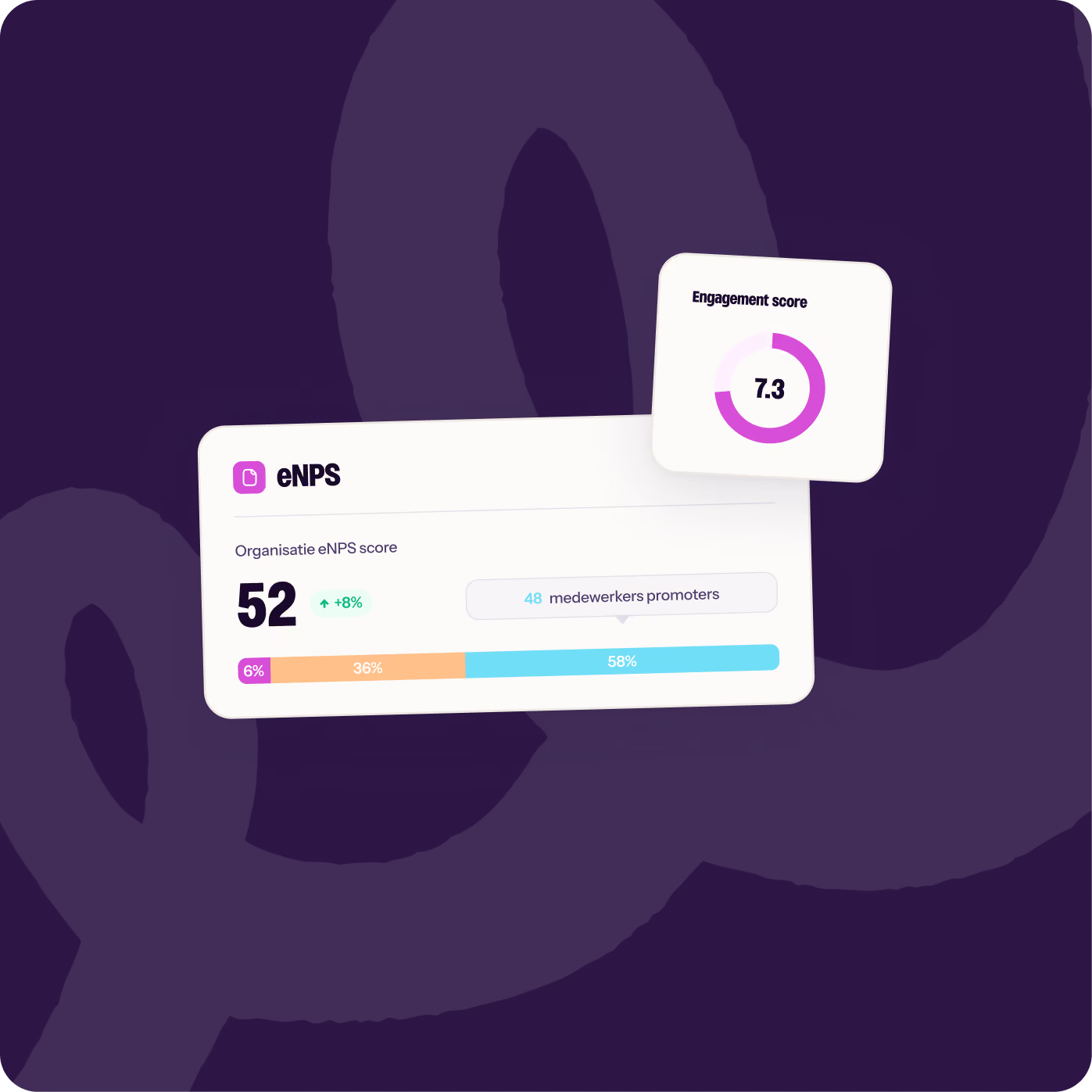
Engagement Signals
A signal that updates with the flow of work in a team, not once a year. eNPS, sentiment, and response patterns at a glance. So you read the shift in a department in time to act on it, while it still matters.
Pulse surveys
Two minute surveys in Slack or Teams, on a cadence you set. Designed to be answered, not just delivered.
eNPS and sentiment by team, manager, in real time
A live read on how every team feels, broken out by manager and tenure. Spot the drift in a department weeks before it lands as a resignation.
Trend lines linked to the cycle
Engagement scores plotted against the conversation rhythm, so you see where the rhythm is paying off and where to focus next. Spot, act, measure, repeat.
1:1s and conversation structures
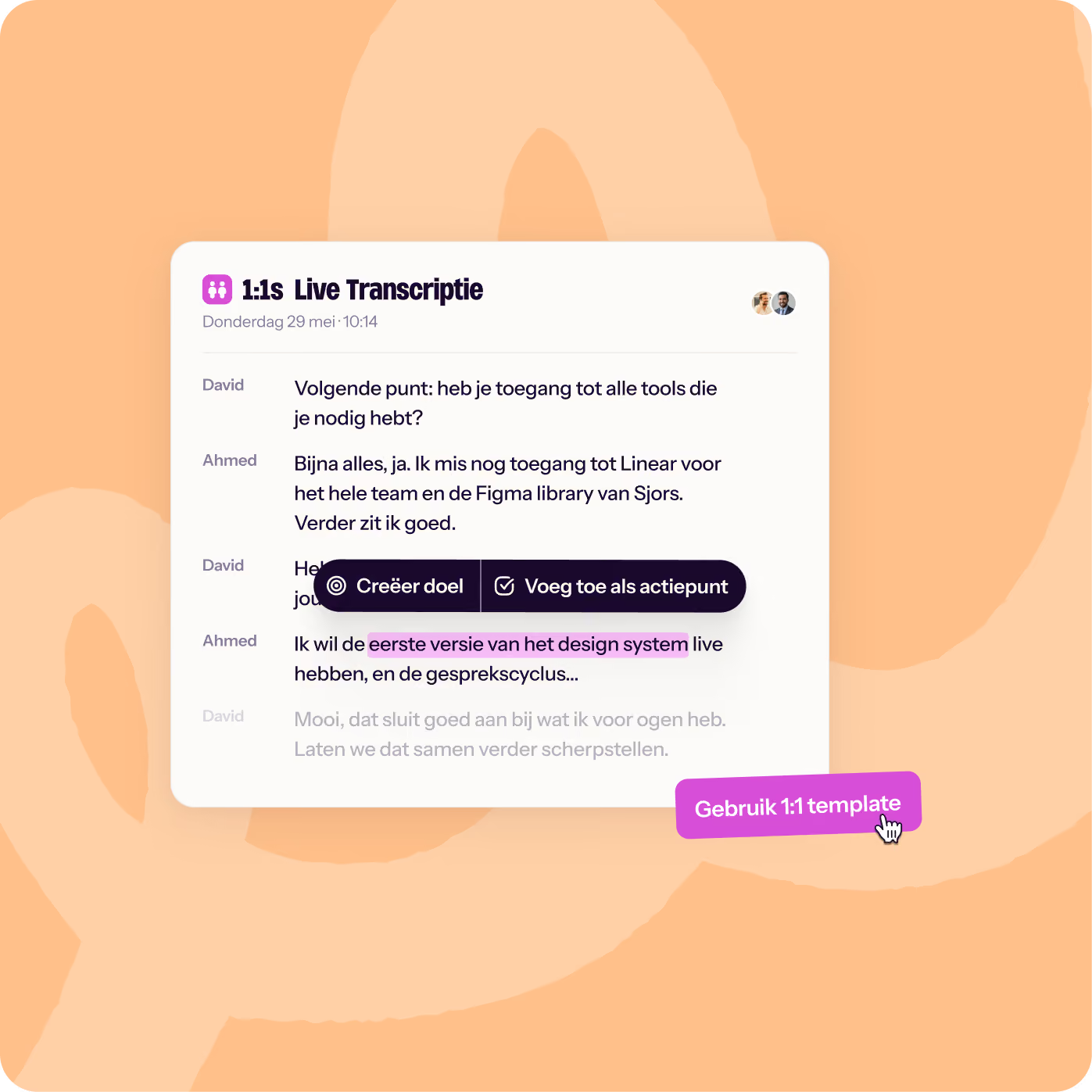
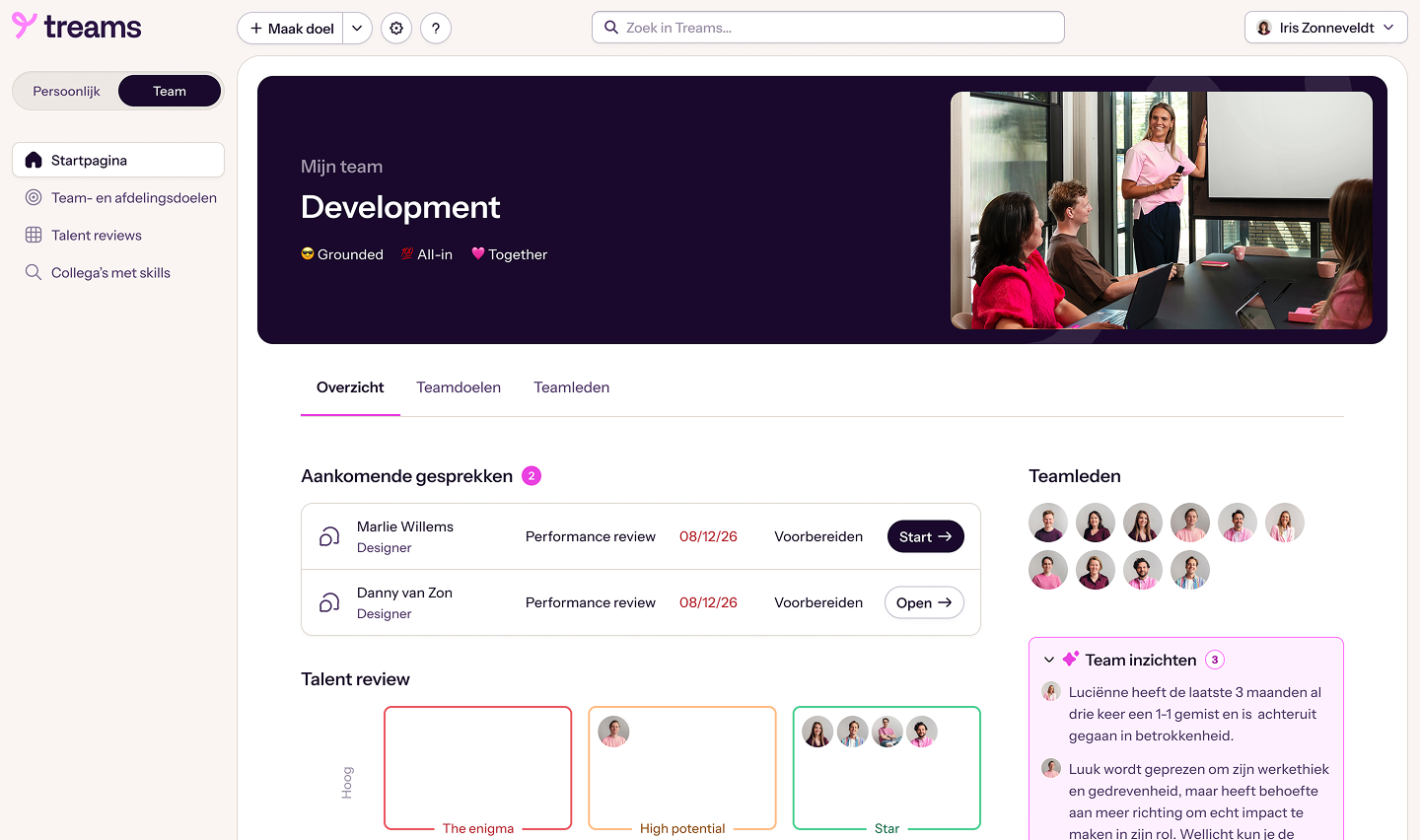
The 1:1 is the best retention intervention there is, and it is the one that gets skipped most often. Treams gives managers the structure, the prep, and the rhythm to make it happen in their week, without HR chasing.
Recurring 1:1s with shared agenda
Both sides add topics ahead of time. The meeting starts with focus, and nothing important gets dropped.
AI-prepared context
Treams pulls context from prior conversations, feedback, and goals into one overview. Effortless prep for both manager and team member, because the context is already there.
Action items that carry over
Every commitment from the last 1-on-1 surfaces in the next one. Conversations compound. So does the progress.
A record of what was discussed and decided
Notes captured automatically. So manager and team member stay in the moment, focused on the best conversation possible. Treams handles the admin.
Goals and feedback that stay alive
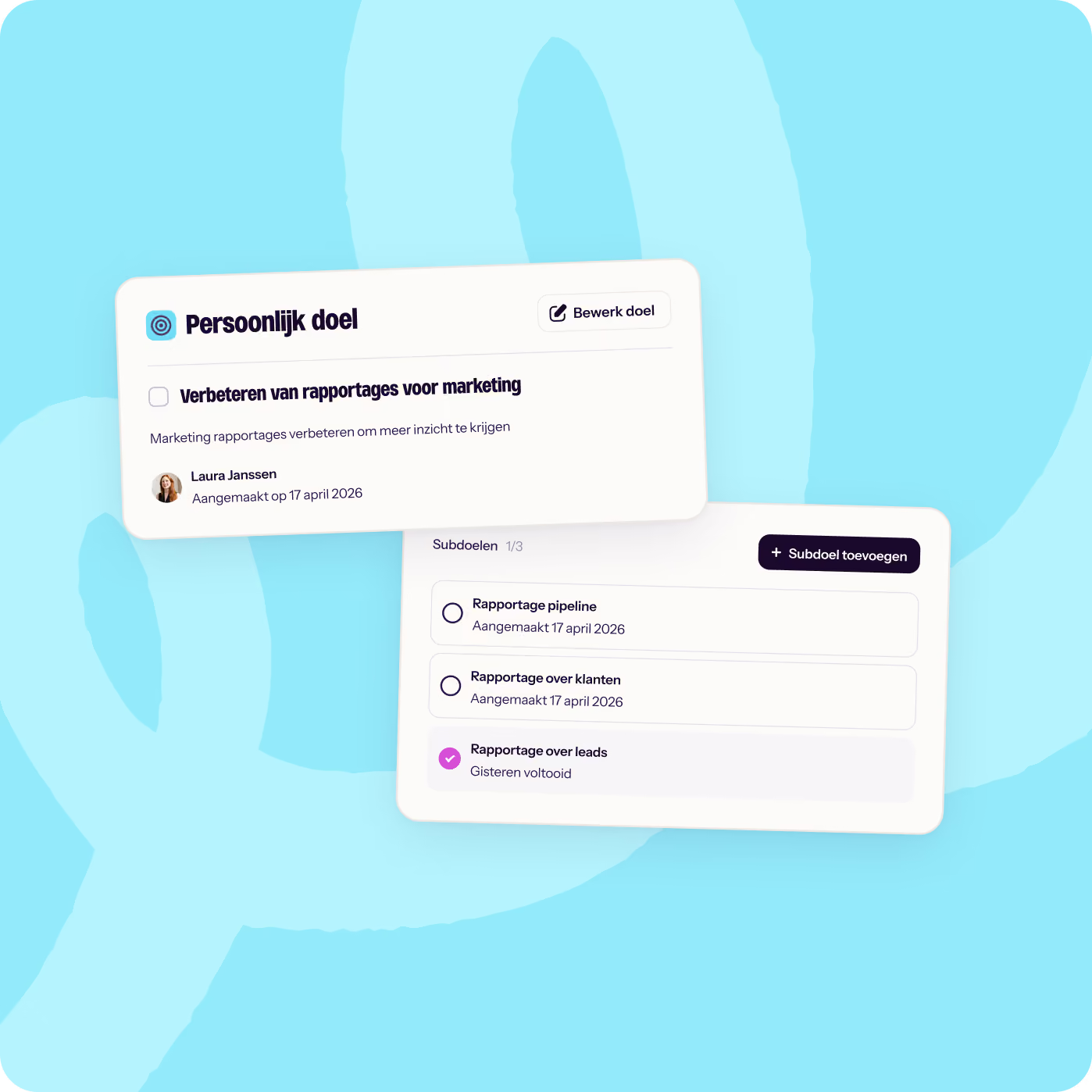
Goals that get set, and then forgotten, are a slow form of disengagement. Feedback that arrives once a year is not feedback. Treams keeps both alive throughout the year, so the people who never complain still feel seen.
Goals that adjust mid-quarter without rebuilding the framework
Real life happens. Tweak the goal without losing the thread, and without HR rebuilding anything.
360° feedback
Anonymous input from peers, direct reports, and even external contacts. The system chases respondents, not the manager.
Adhoc feedback in two clicks
See something, say something. The day after the presentation, while it still matters. Not in a survey six months later.
Development and growth plans
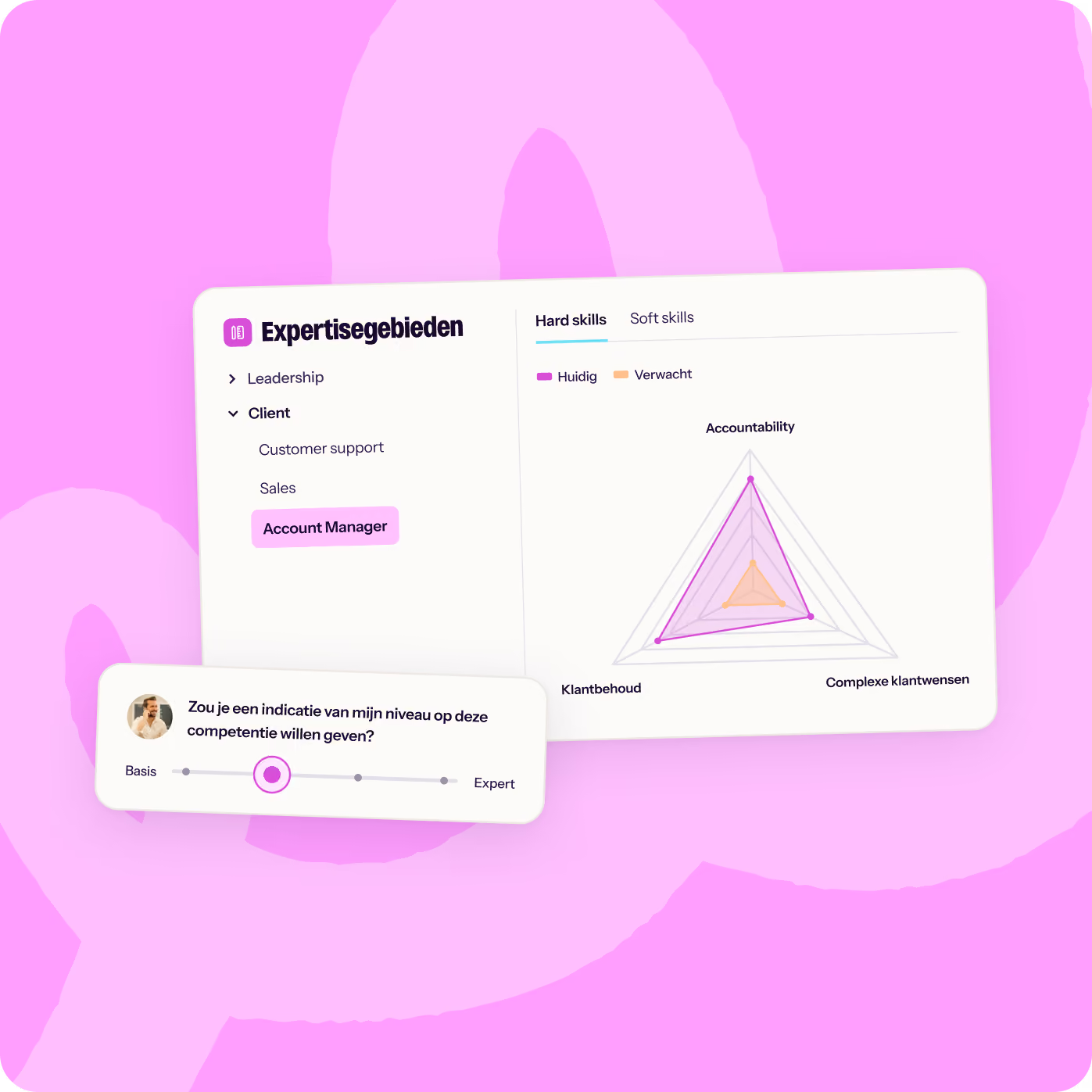
The number one reason regretted leavers cite is "I did not see a future for me here". Treams gives HR a way to make that future visible, and gives managers the structure to have the conversation before the leaver meets a recruiter.
Growth paths and skill profiles per role
Every role has a visible next step, with the skills that get you there. Employees see where they can go at all times.
9-grid talent reviews
HR and managers map talent together in one shared view. Talent reviews become a conversation, not a spreadsheet drama nobody opens twice.
One rhythm for growth and performance
Development conversations don't sit on a separate calendar. They run within every week, so growth doesn't get postponed to "next quarter" and quietly skipped.
What our
clients say.








Ready to see it
for yourself?



We already do an annual employee survey. Why isn't that enough?
The annual survey tells you how the organisation felt at one moment in the year. By the time the report lands on your desk, the situation has already moved on, the departures you wanted to prevent have already happened, and the data is too coarse to show which team or which manager needs attention. Treams runs a continuous pulse on top of the annual survey. Short questionnaires, sent at the team's own rhythm, with results you see in real time — per team, per manager, per theme.
Doesn't more conversations mean more work for managers?
That work already exists. It's just happening in the wrong form. Every cycle, managers lose hours to forms they don't believe in themselves. Treams shifts that time to the conversations they were skipping, and lets the record-keeping follow on naturally. The total time goes down. What it delivers goes up.
Does Treams replace our existing HR system?
No. Treams integrates with systems like AFAS, Visma, SAP, and NMBRS so your employee data stays in sync. Treams handles the performance cycle. Your HRIS handles the records. You don't need to choose between them.