At Van Oers, the conversation cycle went from HR-driven to self-directed
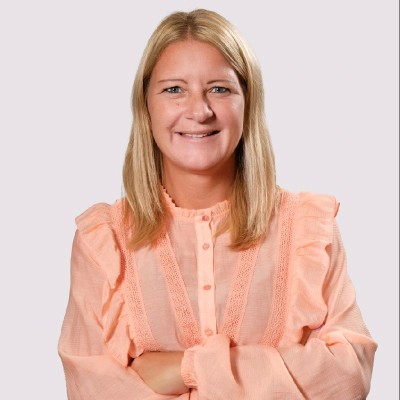
A conversation only started once someone opened the form themselves. Those forms allowed too much freedom, and when HR didn't send reminders, little happened. Senior HR Development Partner Brenda Verberk-Lutters and Senior HR Business Partner Brenda van der Vinde explain how they shaped their vision in Treams: from the job framework and competencies to the growth paths and a fixed set of conversations.
For us, Treams is a means to get talking with each other, not an end in itself.
What tipped the balance were the AI capabilities: recording conversations and having a summary written. And that a conversation ends up signed in the personnel file in AFAS.
Treams is really focused on self-direction and taking the initiative yourself. The tasks and the reminders make sure it actually happens, and it’s simply very clear for everyone.
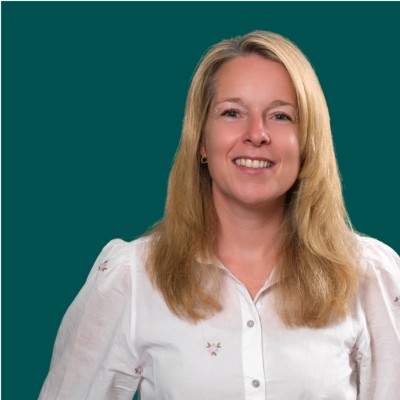
With Treams, people now schedule their own conversations, whereas HR used to set that in motion. That was a lot of work. Now they take the initiative, and we can monitor it more easily.
Treams gives managers more tools to have the right conversation and find depth in the conversation. People now prepare much more, and the cycle has become clearer.
The great thing about Treams is that everything comes together in the conversation. Goals, feedback, competencies, development agreements and growth paths reinforce each other, in one central place.
A cycle that leaned on HR
At Van Oers, AFAS is the HRIS. It holds the personnel data, the payroll and the personnel files. For years, the conversation cycle also ran through AFAS. Next year, Brenda van der Vinde will have worked there for twenty years, and she has seen the firm grow from 150 to 600 employees. Together with Brenda Verberk-Lutters, who has been with Van Oers since 2023, she designed a new cycle that fits their new vision.
In the old set-up, a conversation only started once someone opened the form themselves. HR sent the reminders by hand, by email. The form mainly consisted of a field for the report and a score on the old competencies. That allowed a lot of freedom, and not every employee handled that well. It was also hard for HR to see which conversations had already taken place. “It was very optional,” says Van der Vinde.
As a result, the conversation became mostly something to tick off, while Van Oers actually wanted an ongoing dialogue about growth and development.
What the new vision called for
The employee satisfaction survey sent a clear signal: people wanted to know more about their development opportunities and career prospects. Younger colleagues in particular asked for more conversations.
But there was more going on. We had introduced a personal compass: a fixed set of questions with which someone decides for themselves where they want to go, what they need to get there and who they need along the way. A new job framework was introduced, with new competencies linked to it. On top of that, talent development, growth paths and leadership development were running as separate projects.
It made sense to bring all of that together in one place. The compass still consisted of a PowerPoint and a questionnaire, and they wanted to digitise it. For the competencies and growth paths, too, they were looking for a place where employees could work with them on their own.
That is why they chose to look for a platform, alongside AFAS, that is built specifically for development and conversations.
Our vision is that everyone has talent. Whether you want to grow horizontally or vertically, it’s about having the best people in the right place.
Brenda Verberk-Lutters
Why they chose Treams
Van Oers looked into several platforms and didn’t just look at functionality. Three things tipped the balance.
The first was the AI capabilities. Recording conversations, having a summary written, getting help with formulating goals. Every hour counts in our business, so the less admin, the better.
The second was the integration with AFAS. Even though we moved to a different system for performance management, AFAS remains the foundation as the HRIS. Tasks need to pass back and forth, and the data has to be correct on both sides. “Accountancy is still a bit of a controlling profession,” says Van der Vinde. “Ultimately, the conversations have to be signed in the personnel file. It has to be formally confirmed.” This way, a completed conversation is signed and stored in both systems.
The third point was about initiative. Most systems are driven by HR. Treams puts managers and employees in charge, and supports them by making everything as easy as possible.
What’s different now
A lot has changed at Van Oers since then. The new cycle went live on 1 January and consists of three conversations: the compass conversation, the course conversation and the performance conversation.
The forms now give more direction and stem from the vision they developed earlier. That sounds small, but it changes the conversation. “It gives managers more tools to have the right conversation and go deeper,” says Verberk-Lutters. People prepare, because there is something to prepare for.
And for HR, the chasing and reminding has decreased considerably. Whatever needs to be prepared is set up as a task. Reminders go out automatically. And the timeline is clear, so HR can monitor better than before. They also see employees taking more initiative and scheduling their own conversations, so HR or managers no longer have to keep reminding them.
What people asked for in the employee satisfaction survey, structure and insight into their development, is exactly what they now get back. Which other roles there are, which steps are possible, which competencies go with them.
The great thing is that everything now reinforces each other, instead of standing separately side by side. And that it all comes together at the moment that matters: in the conversation itself.
Accountancy to corporate finance, agri to education: one team for new and established entrepreneurs, rooted locally, active globally.

Accountancy & advisory

600 employees
Ready to see it for yourself?
Book a 30-minute demo. We'll show you what the manager view looks like, walk you through the implementation, and answer the questions you have.
More customer stories