
You've finished the cycle. Nobody's working any differently.
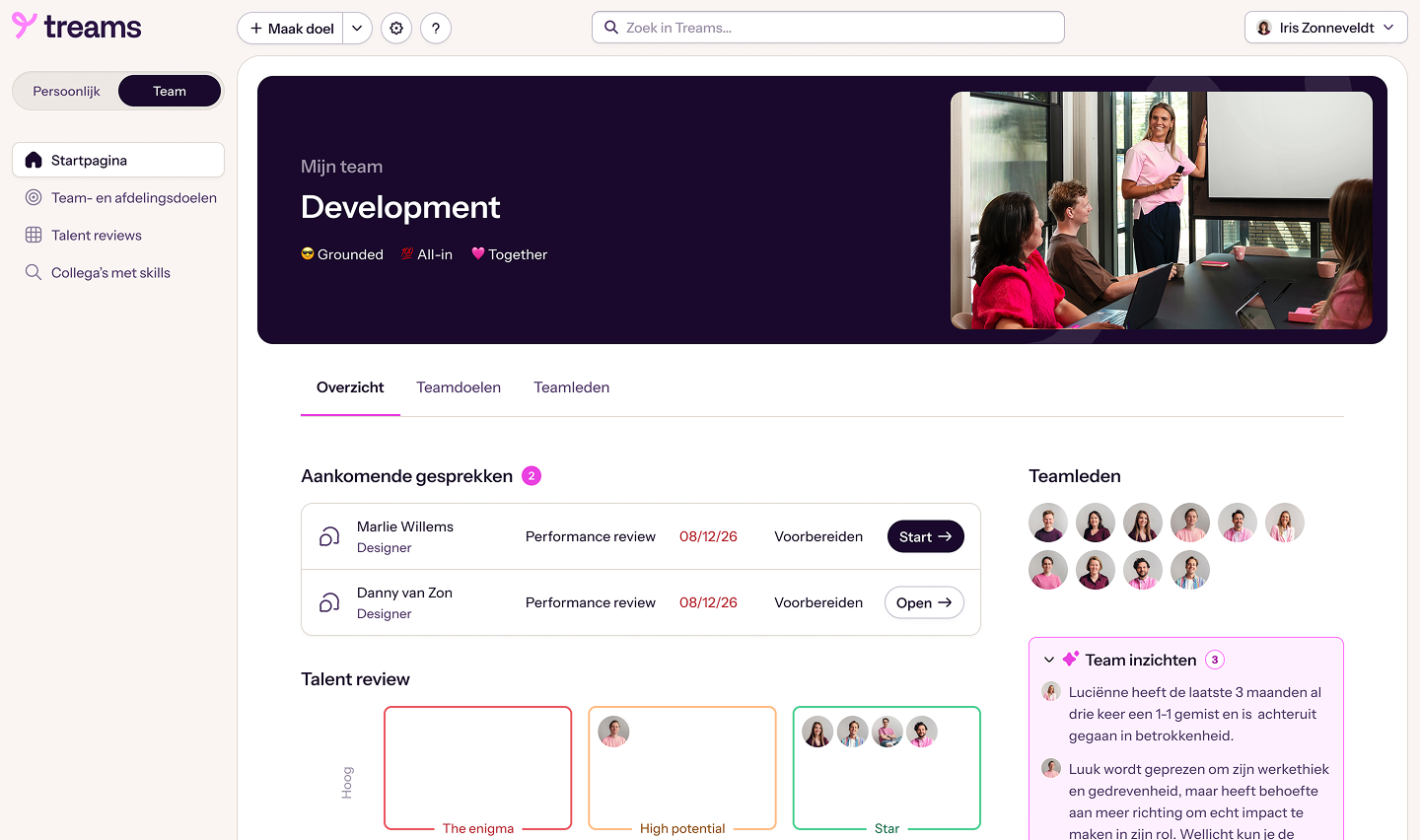
A cycle designed to be ticked off will get ticked off. It won't change how anyone works on Monday. Treams replaces it with a rhythm of weekly 1:1s, living goals, and feedback that happens the moment it matters. The conversations that actually move teams become the ones that happen.

Built to grow teams. Mostly a box to tick.
We've seen it more times than we can count. An HR lead pours months into a performance cycle. Builds the template, wins over the board, trains the managers, sends the reminders. The intent is real but when the cycle runs it turns into a box to tick for most people.
That's not the people's fault. The cycle was built to document. To prove the company has a process. It was never built to make a manager show up better next Tuesday, or to make an employee feel seen. So it doesn't.
The form is the work. The deadline is the goal. The conversation is the obstacle.
It doesn't have to be like this. The conversations are already happening: at the coffee machine, on Slack, after stand-ups. What's missing is the rhythm. One that fits inside the week your team already has, with the guidance and structure to let every manager run it without adding more admin.
That is what we built Treams for.

Replace the cycle with a rhythm that earns its place in the week.
Let the conversation lead
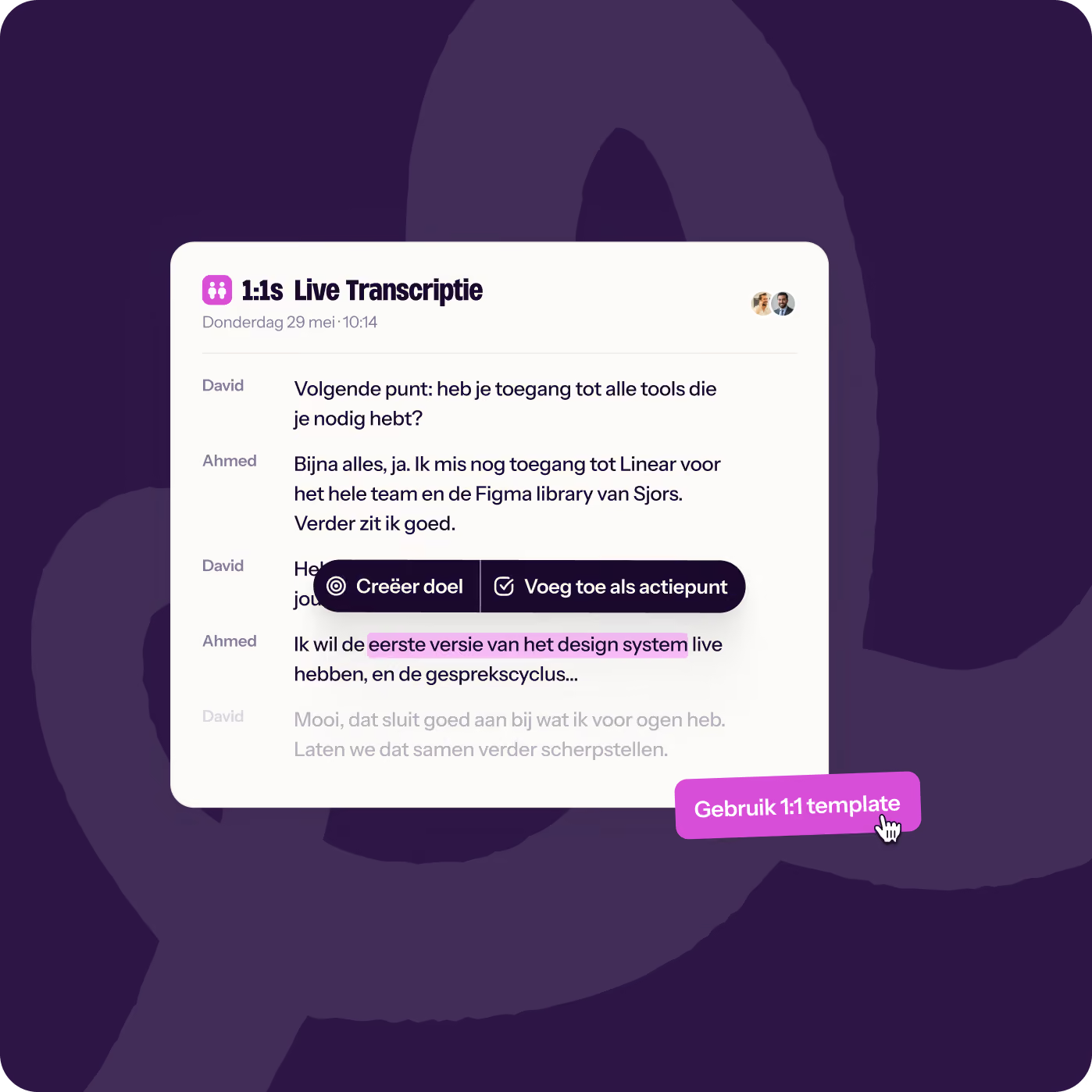
Put the 1:1 at the heart of the cycle, and let the paperwork fall out of it. Not the other way round.
Goals tied to the conversation.
Progress shows up where the talking happens, not in a separate dashboard nobody opens.
Goals that can bend mid-quarter.
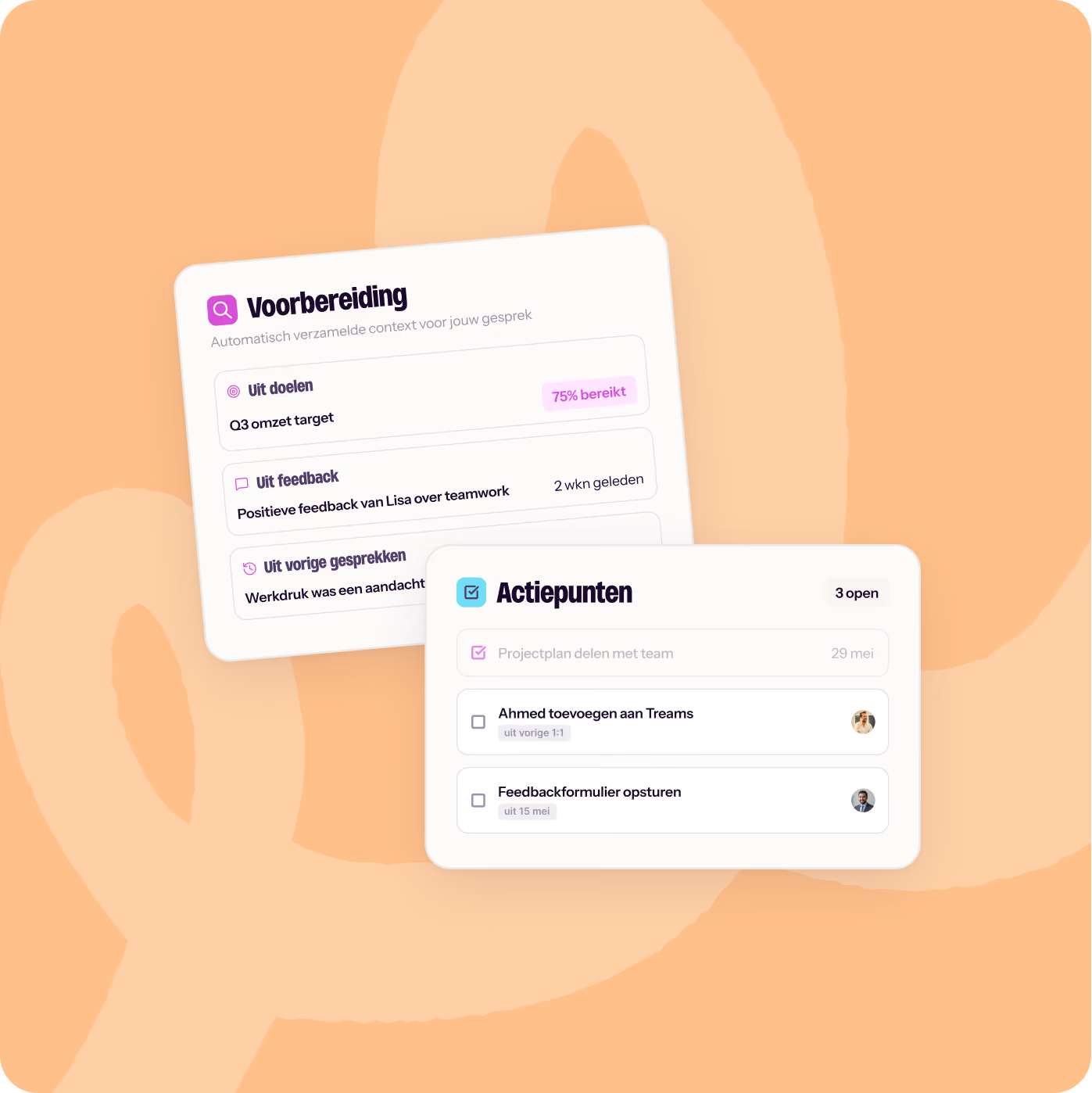
Goals, recent feedback, and open threads from the last conversation surface for the manager and the employee. Both walk in ready. The conversation skips the warm-up and gets to what matters.
Team and org alignment
What you decided shows up at the start of the next conversation. The thread doesn't drop.
The review writes itself
When review time comes round, the goals, feedback, and conversations are already there. No frantic backfilling. No trying to remember February. The review reflects the actual year, not the last two hours of the manager's memory.
Goals that stay alive past the kick-off
Goals set in January and quietly buried by March are the clearest sign a cycle isn't landing. Keep them in front of the manager and the employee at every conversation.
Goals tied to the conversation.
Progress shows up where the talking happens, not in a separate dashboard nobody opens.
Goals that can bend mid-quarter.
Move the target without rebuilding the whole thing. Real life happens. The system moves with it.
Team and org alignment
Personal goals link to team goals. Team goals link to org goals. Everyone can see the line from their work to where the company is going.
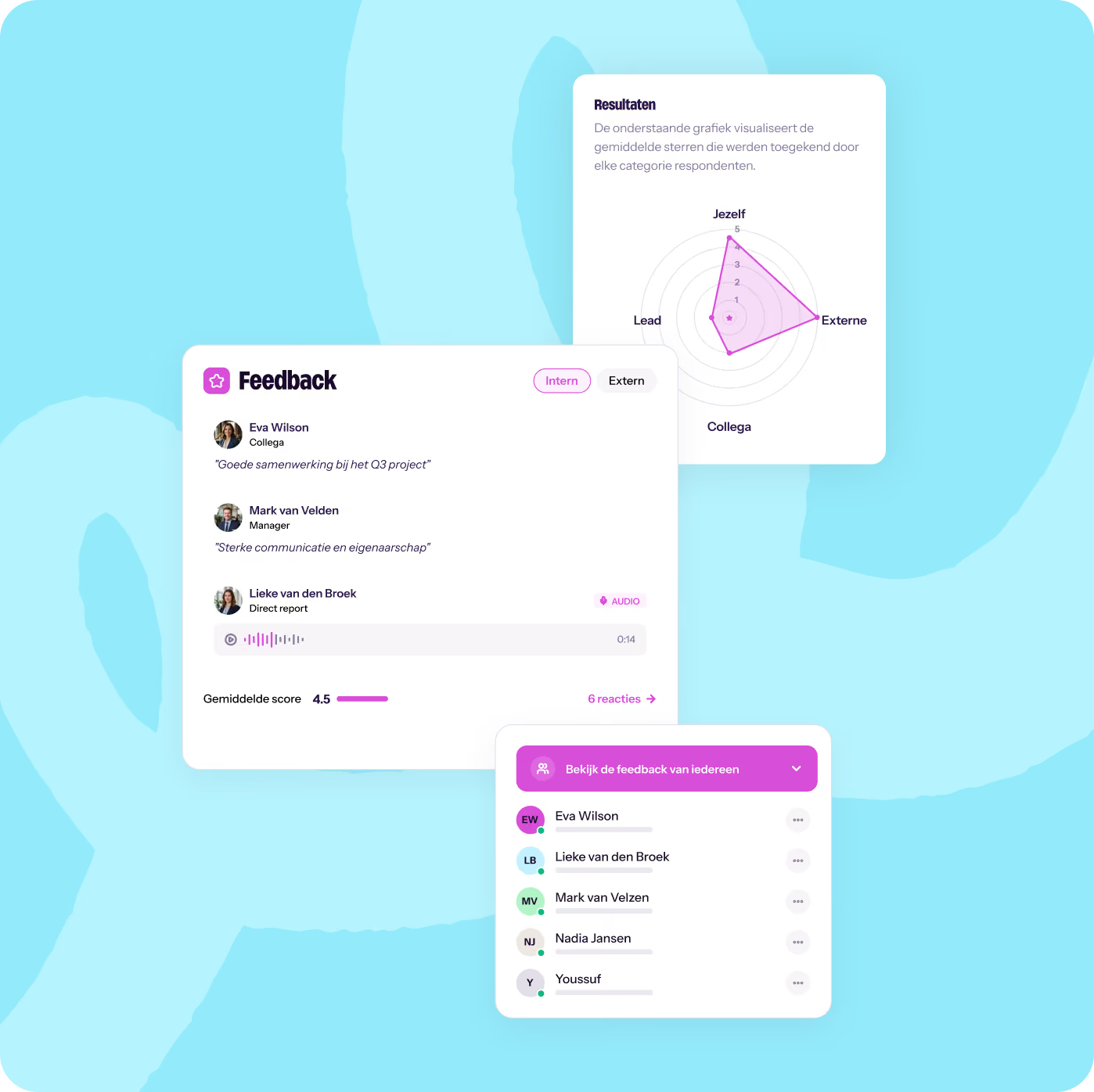
Feedback in the moment, not once a year
Feedback in May about something that happened in February is a memory test. Close the loop the same week. The context is still fresh and the behaviour can still change. The conversation actually shifts what happens next.
Ad-hoc feedback in two clicks
A compliment, a correction, a flag. Sent in the moment. Saved on the record.
360° feedback when it adds something
Run it when a project wraps up, a role shifts, or a development goal needs a read. A proper checkpoint that gives the employee a wider mirror. Not a yearly ritual everyone dreads.
Peer kudos
Colleagues recognise each other in two clicks, visible to the team. Good work gets named the day it happens. The people doing it feel seen by the people who actually saw it. Not just by HR after the fact.
One view HR can stand behind in the boardroom
Change the boardroom conversation from "we ran it" to "here's what changed." Per team, per manager, per quarter.
Cycle progress at a glance
Which teams are on track, which are slipping, where to step in. No chasing.
eNPS and pulse trends tied to the cycle.
Engagement signals sit alongside the performance work, in a single view.
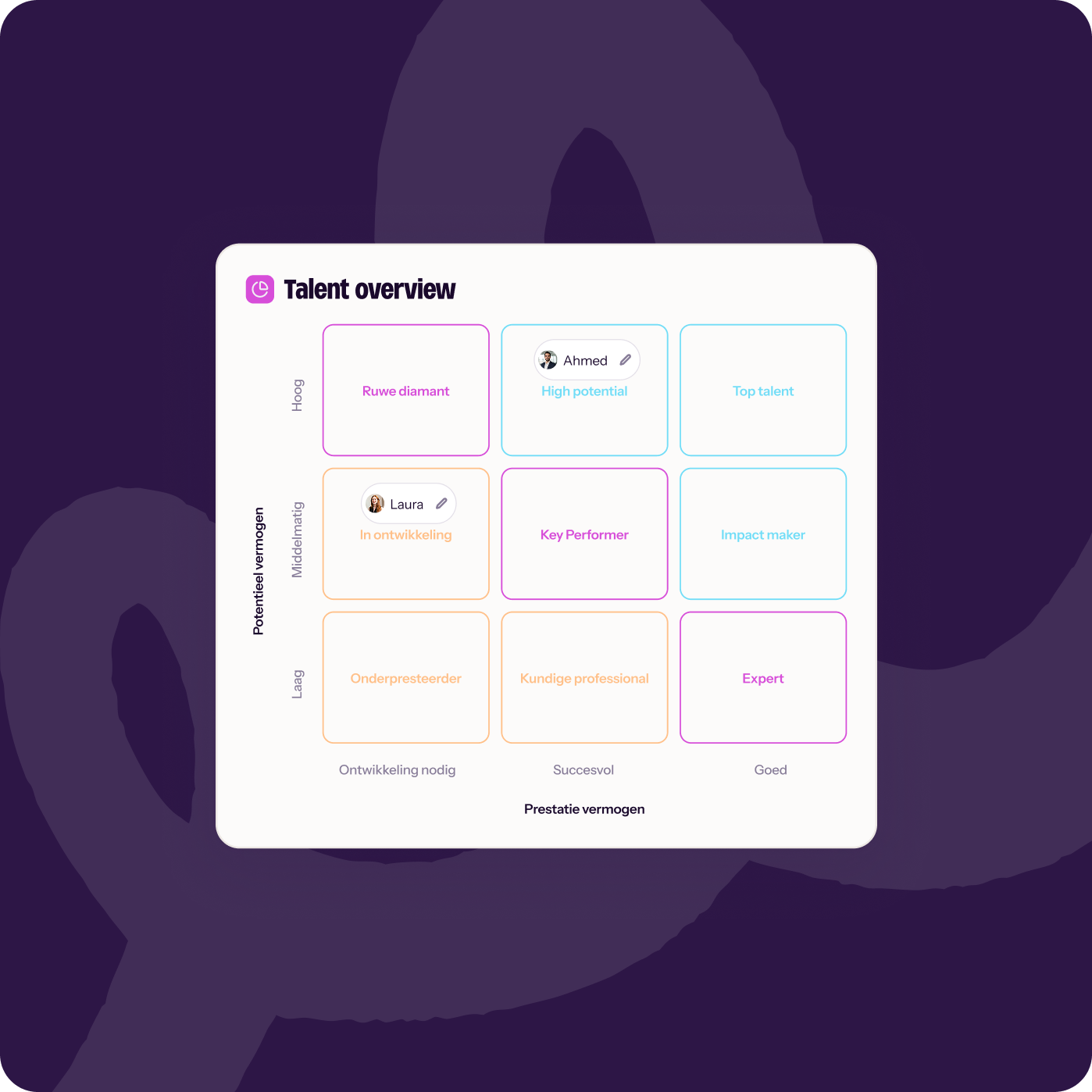
Talent overview
9-box grid and growth paths by role. The boardroom conversation moves from "did we run the cycle" to "where is our talent going."
What our
clients say.







Ready to see it
it for yourself?
Does Treams replace our existing HR system?
No. Treams integrates with systems like AFAS, Visma, SAP, and NMBRS so your employee data stays in sync. Treams handles the performance cycle. Your HRIS handles the records. You don't need to choose between them.
Can we configure different cycles for different teams?
Yes. Most organisations don't run one cycle, they run several. A quarterly rhythm for office staff and a different cadence for shop-floor or operational teams. A focused cycle for underperformers who need closer follow-up, or one for top performers preparing for the next role. A separate cycle for new joiners during their first year. Each cycle in Treams has its own deadlines, forms, conversation moments, and automated reminders. HR sets them up once, and they run in parallel without overlap.
Does Treams integrate with Slack or Microsoft Teams?
Yes. Employees can complete pulse surveys directly inside Slack or Teams, without opening a separate tool. This removes the main reason people skip surveys — the friction of logging into something else. Results are automatically loaded back into Treams. Most organisations see response rates of 65% or higher within a few days of sending.